
What Is a Certificate of Compliance (COC)?
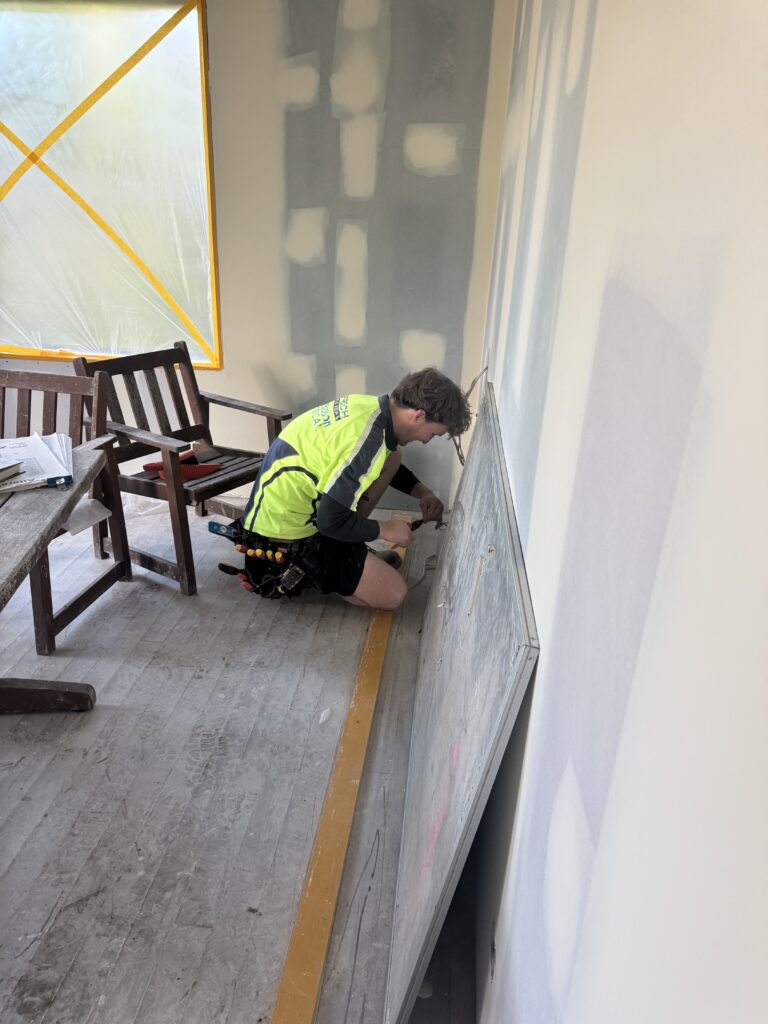
A Certificate of Compliance is a legal document that a registered electrician issues after completing prescribed electrical work. That covers fixed wiring and fittings, like power points, lighting circuits, switchboard upgrades, and hot water wiring. The COC confirms the work meets the Electricity Act and AS/NZS wiring rules. It’s proof the job won’t put people or property at risk. It’s also the paper trail showing that a qualified person did the work.
What Is an Electrical Safety Certificate (ESC)?
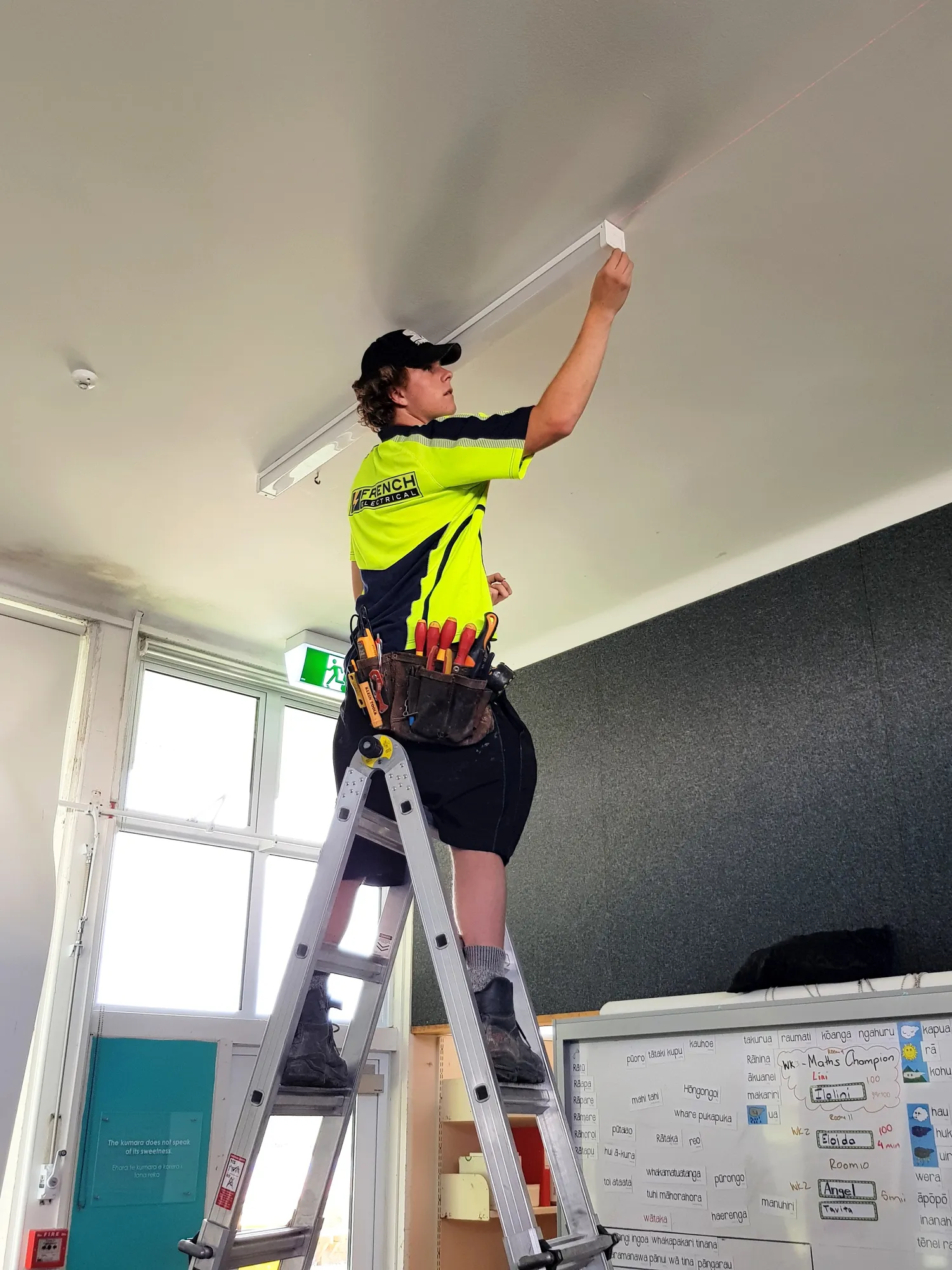
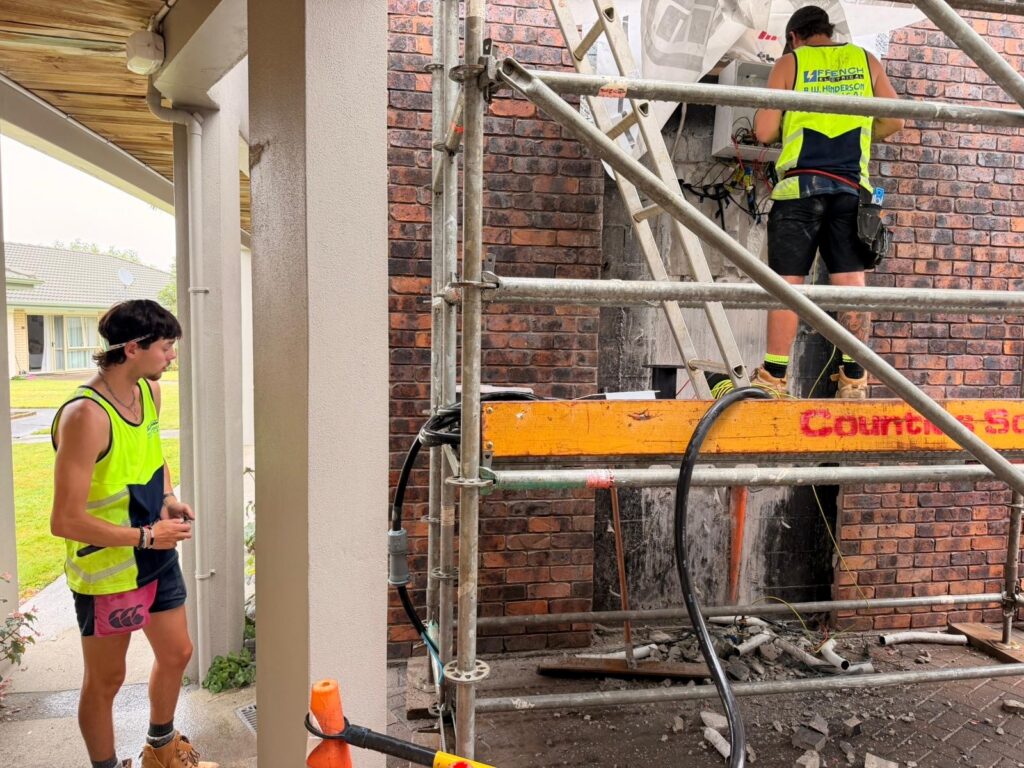
An Electrical Safety Certificate relates to the electrical installation, not appliances. It’s issued by the electrician who makes the final connection to the power supply, confirming that connection is safe. Under the Electricity (Safety) Regulations 2010, an ESC is required for almost all prescribed electrical work, from a simple repair like replacing a power point or RCD through to a full switchboard upgrade or new installation. General and high-risk work needs an ESC alongside a CoC. This is different from testing and tagging portable appliances under AS/NZS 3760, which is a separate service on its own retesting cycle.
What Sets Us Apart

50+ Years of Proven Experience
Established in Auckland since 1974, French Electrical has been trusted across the region for over 50 years. Our team of registered Master Electricians delivers work that's built to last every time.

After-Hours Emergency Response
Electrical breakdowns don't keep business hours. French Electrical keeps an electrician on call outside office hours for residential, commercial and industrial clients across Auckland, responding fast to minimise downtime and protect your property.

SiteWise 100 Certified
French Electrical holds SiteWise 100 certification — New Zealand's highest contractor health and safety rating. This is required by many commercial, industrial and government clients and reflects our commitment to safe worksite practice.

$20,000 Workmanship Guarantee
As Quality Assured members of Master Electricians, our residential work carries a $20,000 workmanship guarantee. If anything falls short of standard, we put it right — labour and materials — at no cost to you.
Key Differences and When You'll Need Each
The core difference isn’t really what each document covers, it’s what each one confirms. A CoC confirms the completed work meets the Electricity Act and AS/NZS wiring rules; it’s the compliance record. An ESC confirms the installation is safe to connect to the supply at the moment of connection; it’s the safety check tied to that final step. You’ll need a CoC for general or high-risk prescribed electrical work, such as new wiring, added circuits, or switchboard upgrades. You’ll need an ESC any time a connection is made to the supply, which in practice means almost every electrical job, from a straightforward repair through to a full new installation. For low-risk repairs, such as replacing a switch, power point, or RCD, an ESC on its own may be enough. For general and high-risk work, you’ll need both a CoC and an ESC, and high-risk work also requires an independent Record of Inspection. If you’re having appliances or equipment tested and tagged under AS/NZS 3760, common in workplaces, rental properties, and commercial kitchens, that’s a separate service again, on its own testing cycle, and it shouldn’t be confused with an ESC. If you’re unsure which applies to your situation, French Electrical can assess the job and confirm what you need.

What the regulations actually require
The rules sit in the Electricity (Safety) Regulations 2010, and they are more specific than most explanations suggest. Prescribed electrical work is sorted into three risk categories, and the paperwork follows the category.
- Low-risk work. A certificate of compliance may be issued, but the regulations do not oblige it.
- General work. A CoC must be issued. The regulations go further than “should”: no general prescribed electrical work may be treated as complete until the certificate has been issued for it.
- High-risk work. A CoC must be issued, and the work is not complete until that certificate and any required record of inspection have both been issued.
So a CoC is not a courtesy document your electrician provides if asked. For general and high-risk work it is part of the job being finished at all.
The third document: the Record of Inspection
CoC and ESC are the two people have usually heard of. High-risk work brings in a third.
A Record of Inspection is issued by a licensed electrical inspector — a separate role from the electrician who did the work — confirming the work has been independently inspected. It applies to the higher-risk end of the scale rather than to everyday jobs, and it is why some work involves a second person attending.
Put simply: the CoC says the work complies, the RoI says someone independent verified it, and the ESC says the installation is safe to connect and use.
You are entitled to a copy, within a set time
This is the part worth knowing as a customer. The person who issues an electrical safety certificate or a record of inspection must provide a copy to the person who contracted for the work — or, if they are not readily available, to the owner or occupier — within 20 working days of it being issued. They must also keep a copy themselves.
If your job is done and nothing has arrived, it is entirely reasonable to ask, and it is not an unusual request. Chase it while the job is fresh rather than when you are mid-sale.
Why the paperwork matters later
Certificates tend to feel like admin until one of these turns up:
- Selling. Buyers and their lawyers ask what work has been done and whether it was certified. Missing paperwork on a switchboard upgrade or a rewire is the kind of thing that stalls a settlement.
- Insurance. After a fire or a fault, an insurer will want to know who did the work and whether it was compliant. Uncertified work is a bad position to be in.
- The next electrician. Certificates describe what was done and to what standard. They save guesswork, and guesswork costs hours.
- Rentals and commercial premises. Compliance evidence is routinely requested by property managers, auditors and tenants.
Keep them with the house records rather than in an email folder. Scan them if they arrive on paper.
What to do if you never got one
Ask the electrician who did the work — they are required to have retained a copy, so reissuing it is straightforward. If the business no longer exists or will not respond, an electrician cannot issue a certificate for someone else’s work, but the installation can be inspected and its current condition documented instead. That is not the same as retrospective certification, and anyone offering that should be treated with suspicion, but it does give you a written record of what is actually there.
If you are unsure whether the person doing your work is entitled to certify it, registration can be checked with the Electrical Workers Registration Board. More on that in choosing an electrician in Auckland.
Frequently Asked Questions
What's the difference between a COC and an Electrical Safety Certificate?
A CoC confirms that prescribed electrical work meets New Zealand’s wiring rules and legislation. An ESC confirms the installation is safe to connect to the electricity supply at the time of connection. Almost every electrical job needs an ESC; a CoC is also required for general and high-risk work.
Do I need both a COC and an ESC?
For low-risk repairs, such as swapping a power point or RCD, an ESC alone may be enough. For general work (new circuits, alterations) and high-risk work (mains connections, solar, hazardous installations), you’ll need both a CoC and an ESC.
Does a COC or an ESC expire?
No. Once issued, a CoC has no expiry, it’s a permanent compliance record for that piece of work. An ESC is a one-off certificate tied to a specific connection and doesn’t need renewing either. It’s appliance test tags (under AS/NZS 3760) that expire and need periodic retesting, not the ESC.
How often do appliances need testing?
Appliances aren’t covered by an ESC, they’re safety tested and tagged under AS/NZS 3760. It depends on the environment: standard workplaces often test every 12 months, while construction sites and workshops may need testing every three to six months due to higher equipment risk.
Who needs an Electrical Safety Certificate?
Anyone having prescribed electrical work connected to the supply needs an ESC, from a homeowner having a repair or upgrade done, through to a business carrying out a new installation. Your electrician issues it as part of the job.
Can French Electrical provide both COC and ESC services?
Yes. French Electrical issues CoCs and ESCs as standard on all prescribed electrical work, and can also arrange appliance testing and tagging separately if needed.