The healthy home standards are changing the quality of New Zealand rental accommodation for the better, with long-term benefits for both tenants and landlords. Tenants get to enjoy a warmer, drier home. Meanwhile, landlords can expect lower long-term maintenance costs as their property's overall quality improves. All private rentals in New Zealand must comply with the Healthy Homes Standards, and landlords must include a signed statement of current compliance in every new or renewed tenancy agreement. Non-compliance can result in penalties of up to $7,200 through the Tenancy Tribunal. On the electrical side, we handle the heating and ventilation requirements: fixed heating sized correctly for the main living room, and extraction fans in kitchens and bathrooms. If you manage rental properties for others, see our property manager services for how we can help keep a whole portfolio compliant.
What Landlords Need To Know
The healthy homes standard sets specific minimum requirements for all rental properties, covering heating, insulation, ventilation, draught stopping, moisture ingress, and drainage. Our registered electricians can help you meet three of those requirements: heating, ventilation, and draught stopping.
Each part of the standard comes with its own detail, covering both the rental property itself and what landlords must report within any tenancy agreement. So it pays to understand your obligations early, since doing so helps you avoid the risk of future penalties. An Electrical Warrant of Fitness is a straightforward way to check your property meets these requirements and catch any other wiring issues at the same time.
Ready to get started? Book a job online today, or find further details at tenancy.govt.nz.
Overview Of The Standards
There must be one or more fixed heater(s) that can directly heat the main living room to at least 18°C. Certain heating devices that are inefficient, unaffordable, or unhealthy will not meet the requirements of this standard.
There must be windows, skylights, or doors that open to the outside in the living room, dining room, kitchen, and bedrooms. These must be able to be fixed in the open position and comprise at least five percent of the room’s floor area. There must be extractor fans in kitchens and bathrooms that vent to the outside.
There must be adequate drainage, guttering, and downpipes. Rental properties that have an enclosed subfloor must have a ground moisture barrier (if it’s possible to install one).
Landlords must block any unreasonable gaps and holes in walls, ceilings, windows, floors, and doors that cause draughts. Open fireplaces must be blocked unless the tenant and landlord agree otherwise.
Private Compliance Timeframes
There are already legal requirements for the healthy home standards in place. However, landlords must meet all other minimum standards within 90 days of the start of any new or renewed tenancy from 1 July 2021.
If you have a long-term existing tenancy where no renewals have occurred, you’ll still need to meet the standards by 1 July 2025 at the latest. See below for the complete compliance timeframe.
1 July 2021
All private rental properties must comply with the healthy homes standards within 90 days of a new or renewed tenancy (for example, any rental property owned by a private landlord).
1 July 2025
All private rental properties must comply with the healthy homes standards.
From Small Fixes To Wiring New Homes
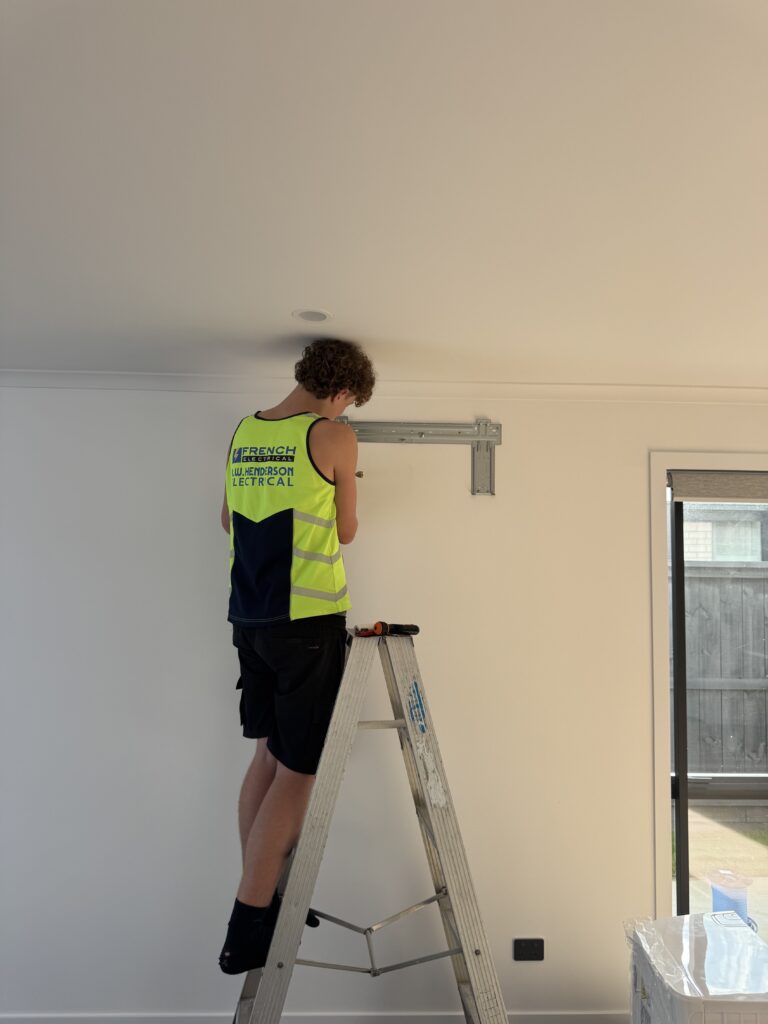
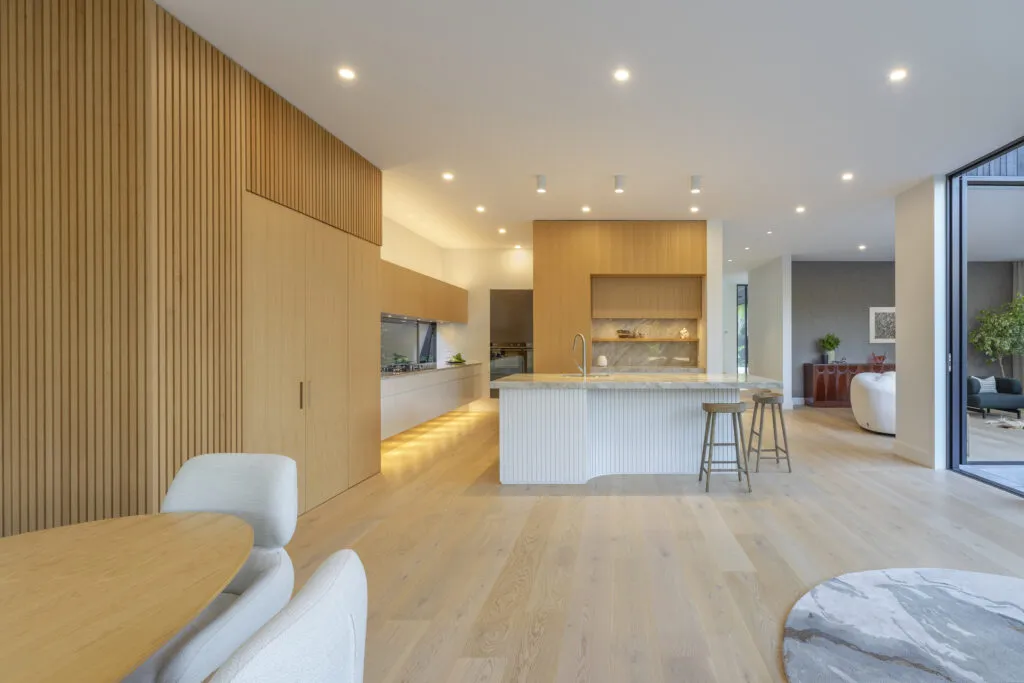
Whether you are looking for an additional power outlet or a complete redesign of your electrical system, our expert electricians are ready to help with all your residential requirements.