
Our Latest Blog Posts

Electrical Warrant of Fitness NZ: What It Covers and Who Needs One

What is an electrical warrant of fitness, and do you actually need one? In New Zealand the term covers two different things. One is a legal requirement for caravans, tiny homes and other plug-in installations. The other is a voluntary safety inspection of a house, rental or commercial building. Here is what each one is, what the inspection checks, and who needs which.

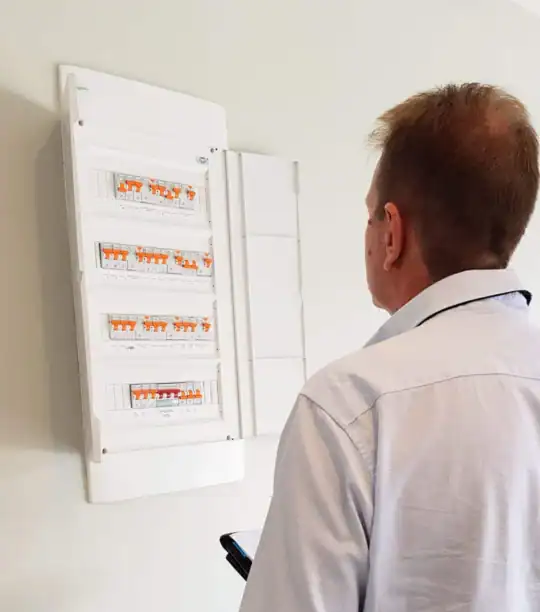
Registered electrician checking a switchboard during an electrical safety inspection

An electrical warrant of fitness, or EWOF, is a documented check that an electrical installation is safe to use. A registered electrician inspects and tests the installation, records what they find, and labels the switchboard if it passes.

The confusion comes from the name. For a building, it works the way a WoF works for a car: a regular, recorded check of condition. For a caravan or tiny home on wheels, it is a legal certificate you must hold before anyone can connect it to power.

Two Things Called An Electrical Warrant Of Fitness

The first is the legal warrant. It applies to connectable installations: caravans, house buses, tiny homes on wheels, relocatable buildings and anything else designed to plug into a supply rather than connect through fixed wiring. Regulations 76 to 78 of the Electricity (Safety) Regulations 2010 are explicit. No one may supply electricity to a connectable installation that does not hold a current warrant of electrical fitness.

The second is a periodic inspection of a fixed installation, such as a house, rental, shop or factory, carried out against section 3 of AS/NZS 3019. Most of the trade calls this an Electrical WoF too. It is the one homeowners, landlords and property managers usually mean, and for most buildings it is voluntary.

Switchboard with RCD protection so one fault does not trip the whole house
French Electrical electrician checking why an RCD keeps tripping

Is An Electrical WoF A Legal Requirement?

For most buildings, no. Regulation 75 requires periodic assessment of a short list of installations only:

  • Caravan parks, at least every five years
  • Boat marinas, at least every five years
  • Demolition and construction sites
  • Carnivals and fairgrounds, at least every year
  • Non-domestic installations in hazardous areas
  • Installations used with electrical medical devices, including mobile medical facilities

An ordinary house is not on that list, and neither is a typical office, shop or warehouse. If someone tells you your rental legally needs an electrical warrant of fitness, that is not what the regulations say.

Two rules apply regardless. Any new or altered wiring is prescribed electrical work, and it must be certified with a Certificate of Compliance and Electrical Safety Certificate. And landlords have a general duty to keep rental premises reasonably safe, which is where a documented inspection earns its keep.

Who Should Get An Electrical Warrant Of Fitness

  • Buying a house. A builder’s report says almost nothing about the wiring. An electrical inspection before you go unconditional tells you whether you are inheriting a switchboard upgrade or a rewire, which can be a significant cost.
  • Landlords and property managers. It is not legally required, but it is the record that shows the property was checked and maintained. Pair it with the Healthy Homes standards, which cover heating, insulation, ventilation, moisture and draught stopping but say nothing about the electrical installation.
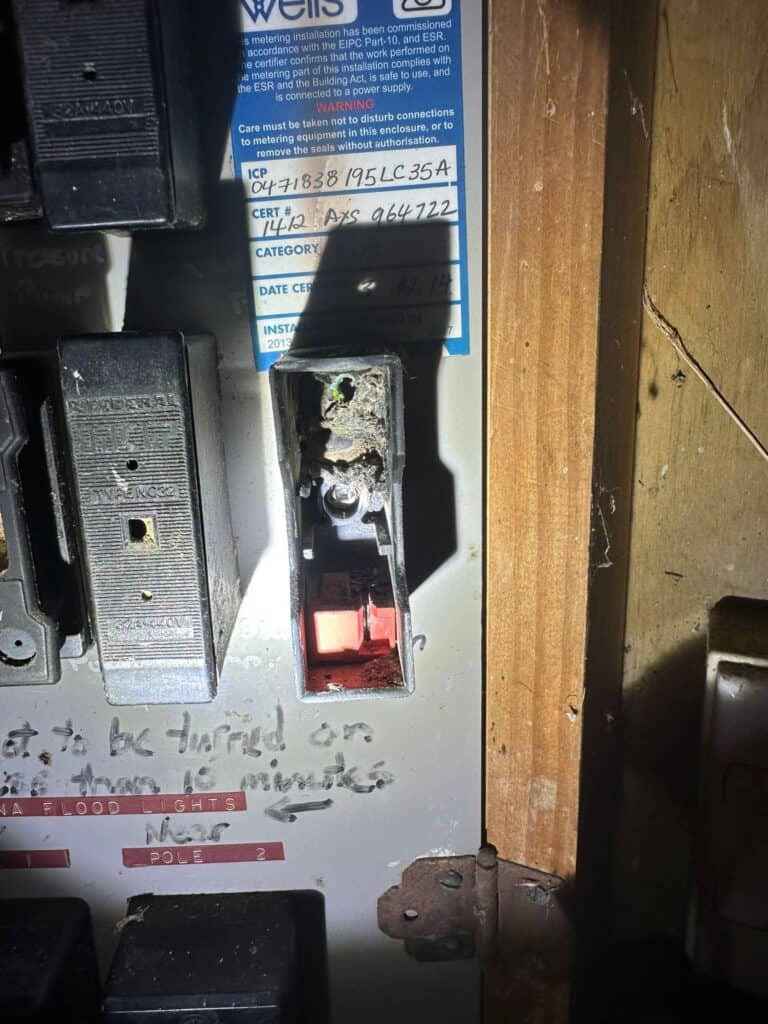
  • Older homes. Anything with rewireable ceramic fuses, no RCD protection or original mid-century wiring. If the board looks like it belongs to a different era, it does.
  • Commercial and industrial premises. Insurers increasingly ask for one. On a commercial site it sits naturally alongside test and tag, emergency lighting testing and thermal imaging of the switchboard.
  • After a fault. If breakers trip repeatedly or you have noticed a burning smell, an inspection tells you whether it was one fault or a symptom of something wider.

What An Electrical WoF Inspection Covers

A periodic inspection under AS/NZS 3019 is a structured visual inspection plus electrical testing. The electrician works through the installation in order:

  • Consumer mains and the point of entry to the property
  • The switchboard, including protective devices, labelling, condition and RCD trip times
  • Earthing and bonding, including water and gas services where relevant
  • Socket outlets, light switches and light fittings
  • Fixed appliances such as the hot water cylinder, oven, hob and heat pump
  • Smoke alarms
  • Insulation resistance and polarity testing on each circuit

You get a graded report, so you can tell the difference between something dangerous now and something that will need attention in a few years. If the property passes, a dated label goes on the switchboard.

Electrician testing an RCD for tripping at the switchboard
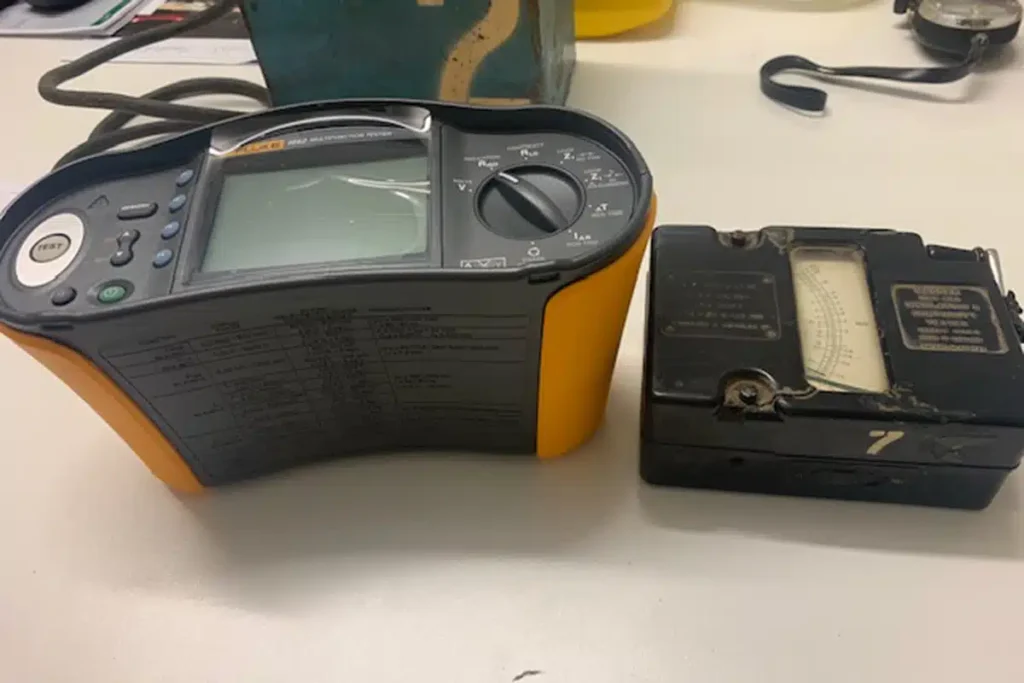
Insulation resistance tester used during an electrical warrant of fitness inspection

What An Inspection Cannot Tell You

The report reflects what the electrician could see and test on the day. It covers accessible wiring and equipment. It does not extend to cable buried in walls, under floors or underground, because reaching it would mean pulling the house apart.

Insulation resistance testing still gives a reading on hidden wiring and will flag cable that is deteriorating. However, it locates a problem to a circuit, not to a point in a wall. In short, treat the result as a measured indicator of overall condition. That is still far more than most owners have.

What Happens If The Property Fails

A fail is not a crisis, and nobody switches the power off. It means the electrician found specific defects and wrote them down. They make anything immediately dangerous safe on the spot. Everything else goes on a list with a recommended order of work.

The usual fixes are a switchboard upgrade, adding RCD protection, replacing damaged outdoor fittings or correcting earthing. Once the repairs are complete and certified, the electrician re-checks the installation and fits the label. Whatever you do, do not file the report away. An unactioned report is worse than none, because it is a written record that you knew.

french electrical van

What Sets Us Apart

50+ years of proven electrical experience icon

50+ Years of Proven Experience

Established in Auckland since 1974, French Electrical has been trusted across the region for over 50 years. Our team of registered Master Electricians delivers work that's built to last every time.

After-hours emergency response icon

24/7 Emergency Response

Electrical breakdowns don't keep business hours. French Electrical keeps an electrician on call outside office hours for residential, commercial and industrial clients across Auckland, responding fast to minimise downtime and protect your property.

SiteWise 100 certified badge

SiteWise 100 Certified

French Electrical holds SiteWise 100 certification — New Zealand's highest contractor health and safety rating. This is required by many commercial, industrial and government clients and reflects our commitment to safe worksite practice.

$20,000 workmanship guarantee icon

$20,000 Workmanship Guarantee

As Quality Assured members of Master Electricians, our residential work carries a $20,000 workmanship guarantee. If anything falls short of standard, we put it right — labour and materials — at no cost to you.

How Often You Need An Electrical Warrant Of Fitness

An Electrical WoF lasts one year. For a tenanted property, an annual inspection is sensible and lines up with the rest of the compliance cycle. For an owner-occupied home in good condition, every few years is reasonable unless something changes, such as a renovation, a new tenancy, a sale, or a fault that keeps coming back.

Electrical warrant of fitness: FAQs

What is an electrical warrant of fitness?

An electrical warrant of fitness is a documented inspection and test of an electrical installation by a registered electrician. It is a legal certificate for caravans, and a voluntary inspection for buildings.

No. NZ regulations only require periodic inspection of specific sites, such as caravan parks, marinas, construction sites, fairgrounds and medical locations. An ordinary house is not one of them.

It is not a legal requirement, but landlords must keep rentals reasonably safe. An annual Electrical WoF gives you a dated record that the wiring was checked and defects fixed.

Yes, if it plugs into a power supply. Under regulations 76 to 78, nobody may supply power to a caravan, house bus or tiny home on wheels without a current warrant of electrical fitness.

The consumer mains, switchboard and RCDs, earthing and bonding, sockets, switches, lights, fixed appliances and smoke alarms. Each circuit also gets insulation resistance and polarity testing.

An Electrical WoF lasts one year. Inspect rentals annually. Owner-occupied homes in good condition can usually go a few years between inspections unless something changes.

Yes. A builder’s report says little about wiring. An electrical inspection before you go unconditional shows whether you are taking on a switchboard upgrade or rewire.

No. A Certificate of Compliance certifies new or altered electrical work. An Electrical WoF checks the condition of the whole existing installation.

french electrical team

French Electrical has been inspecting electrical installations across Auckland since 1974. As Quality Assured members of Master Electricians, our residential work carries a $20,000 workmanship guarantee. See our Electrical Warrant of Fitness service or book a job. Regulations quoted are from the Electricity (Safety) Regulations 2010.