Fuse, circuit breaker, RCD: three different jobs
These get used interchangeably in conversation, and they are not the same device. A switchboard can have all three, and each protects against something different.
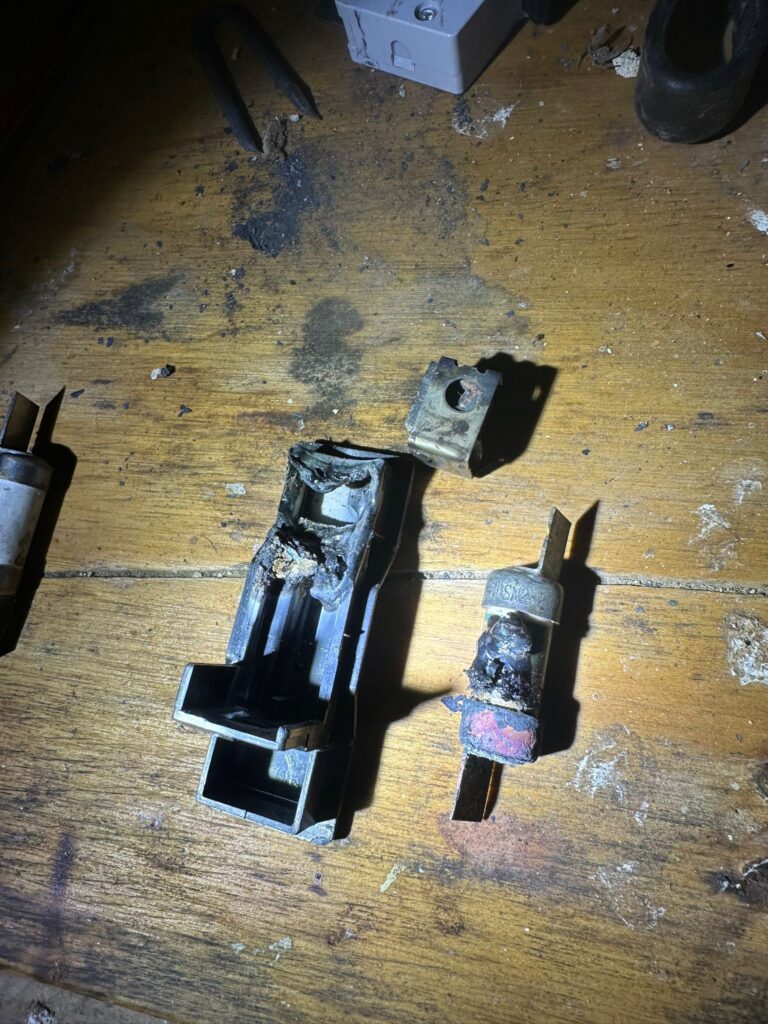
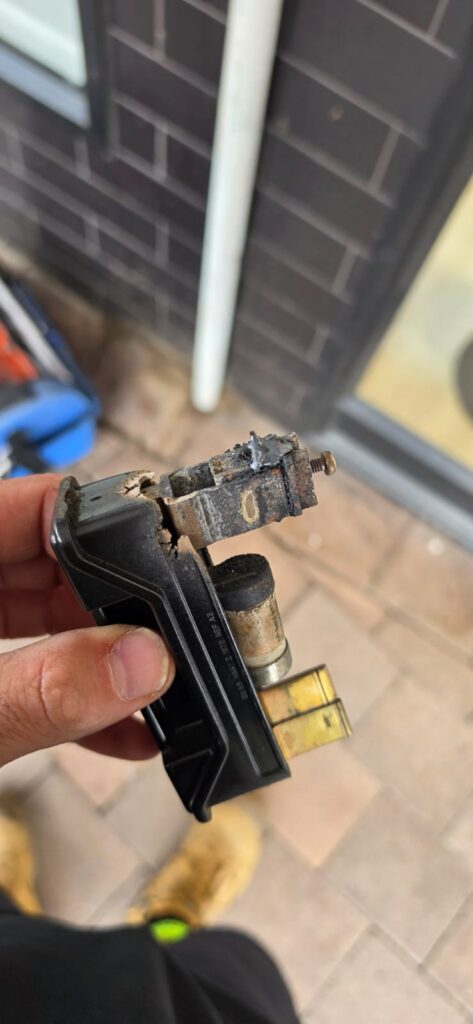
- A fuse protects the wiring from carrying too much current. It melts and has to be replaced.
- A circuit breaker (MCB) does the same job, but it switches off instead of melting, and you reset it. Same protection, no consumable part.
- An RCD (residual current device) protects people. It compares the current flowing out with the current coming back, and if any is going missing — to earth, or through someone — it disconnects within milliseconds.
This is the important part: a fuse or breaker will not save you from an electric shock. The current that kills a person is far below what it takes to blow a fuse. That is why RCD protection matters, and why a board that has fuses but no RCD is protecting the house without protecting the people in it.
The types you will actually find
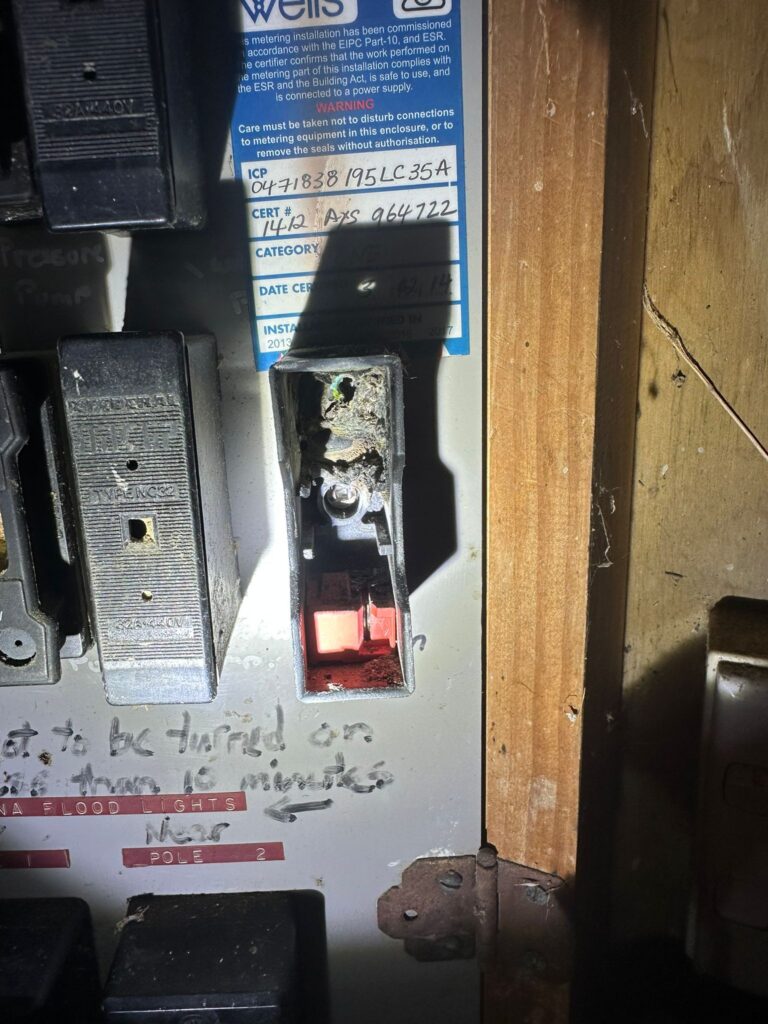
- Rewirable fuses. A ceramic carrier with a length of fuse wire across it. You pull the carrier out, fit new wire of the correct gauge, and put it back. Common in New Zealand homes wired before the 1980s.
- Cartridge fuses. A sealed cylinder you swap out whole. Nothing to get wrong except the rating.
- HRC fuses. High rupturing capacity fuses, used where fault currents are large — typically at the supply end of an installation and in commercial and industrial boards.
- Appliance fuses. Small glass or ceramic fuses inside equipment, protecting that device rather than the circuit.
One point that surprises people arriving from the UK: New Zealand plugs are not fused. In Britain every plug top contains its own fuse; under the plug standard used here, they do not. Protection for an appliance comes from the circuit it is plugged into and from any fuse inside the appliance itself — which is part of why the circuit’s rating and condition matter more here than people assume.
Fuse wire gauge is not a guess
On a rewirable fuse, the wire itself is the protective device. Its thickness determines the current at which it melts, so fitting a heavier wire because the fuse “keeps blowing” quietly raises the trip point above what the cable behind the wall can safely carry. The fuse then stops protecting anything; the wiring becomes the weakest link instead.
The same applies to cartridge fuses and to breakers. Replacing a 16 A device with a 20 A one to stop nuisance tripping is the single most common dangerous shortcut we see, and it is invisible until something overheats.
If a fuse blows repeatedly, that is information. It means either the circuit is overloaded for what it was designed to carry, or there is a genuine fault. Both need diagnosing, not defeating.
What to do when one blows
Switch off and unplug what was running on that circuit before replacing anything, so the fuse is not asked to reconnect straight into the same load or fault. Replace like for like. If the new fuse goes immediately, stop — that is a fault, not an overload, and it needs an electrician.
If your board takes fuse wire and you do not know the gauge, do not improvise. It is written on the carrier or the board chart, and if it is illegible that is a good reason to have the board looked at.
When a fuse box means it is time for a new switchboard
A fuse board is rarely the only thing that is old. In most of the houses we see it comes with a handful of circuits covering the whole property, no RCD protection, original wiring, and no capacity for anything that has been added since.
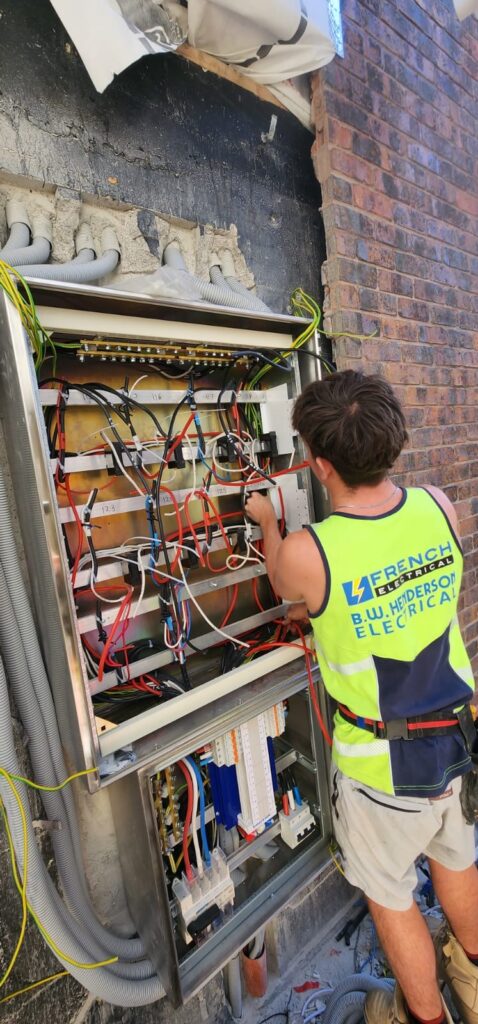
An upgrade replaces the fuses with breakers, adds RCD protection to the circuits that need it, separates the loads that should not share a circuit, and gives you spare ways for whatever comes next — a heat pump, an EV charger, a kitchen. It is usually a one-day job, and it is the single highest-value safety work on an older Auckland home.
See switchboard upgrades, or have the whole installation assessed with an Electrical Warrant of Fitness. If your fuses are blowing rather than merely old, short circuits and overloads explains how to tell which you are dealing with.