
An RCD that keeps tripping is not a faulty RCD. It is a device that has found current going somewhere it should not, and switched the power off before that current found a person. The question is never how to stop it tripping. It is what it keeps finding.
A residual current device compares the current flowing out along the live conductor with the current coming back along the neutral. In a healthy circuit the two match. If they do not, the missing current is leaking to earth, through damaged insulation, through water, or through somebody. An RCD trips when that difference reaches about 30 milliamps, in well under a second. That is the margin between a shock that hurts and a shock that stops a heart. So when your RCD keeps tripping, it is doing exactly the job it was designed for.
First, Work Out Which Device Tripped
An RCD and a circuit breaker sit side by side on the switchboard and look similar, but they do different jobs. A breaker protects the wiring from too much current. An RCD protects people from current going astray.
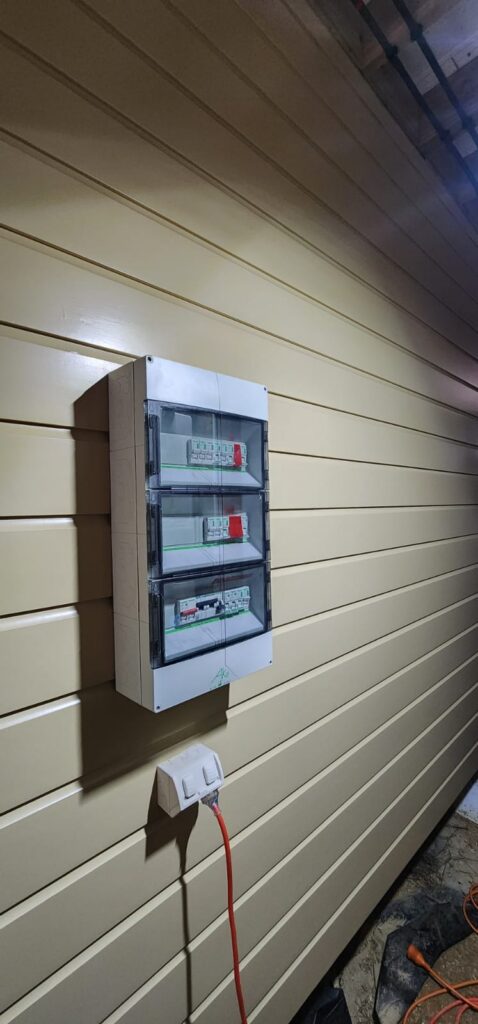
- An RCD is the wider device with a test button marked T or TEST. When it trips, a whole group of circuits goes dead at once.
- A circuit breaker (MCB) is a single narrow switch with no test button, protecting one circuit. More on how circuit breakers work.
- An RCBO combines both in one unit, so it has a test button but covers only one circuit.
A breaker that trips instantly points at an overload or a short circuit. An RCD trip means earth leakage, which is a different fault with different causes.
RCD Keeps Tripping? Find The Fault In Ten Minutes
If your RCD keeps tripping, the cause is most often one appliance, and you can usually find it yourself without tools.
- Switch off every circuit breaker under the RCD that tripped, then reset the RCD. It should hold.
- Switch the breakers back on one at a time. When the RCD drops out again, that circuit is the one at fault.
- Leave that breaker off, restore the others, unplug everything on the faulty circuit and switch it back on.
- Plug the appliances back in one at a time. The one that trips it is your answer, so take it out of service.
If the RCD still trips with that circuit on and nothing plugged in, the leakage is in the fixed wiring. Stop there and call an electrician.
Why your RCD keeps tripping: the usual causes in Auckland homes
- Water finding its way in. The most common cause. A perished seal on an outdoor socket, a light fitting under a leaking gutter, a garden light with a cracked lens, or water tracking along a cable into a junction box. It is why trips cluster around heavy rain and often stop once things dry out, which is reassuring and misleading in equal measure, because the path is still there for the next downpour.
- Hot water cylinder elements. A failing element leaks to earth through the water. The classic symptom is an RCD that trips in the small hours, when the cylinder heats on the night rate, and everything seems fine by morning.
- Older appliances with heating elements. Dishwashers, dryers, ovens, jugs and irons. Elements fail gradually, so the appliance often still works while leaking enough to trip an RCD. In a workplace, regular test and tag picks these up before they trip anything.
- Rodents. Rats and mice chew cable insulation in ceiling and subfloor spaces. Invisible, and often the answer when a circuit starts misbehaving for no apparent reason.
- Cumulative leakage. Every appliance leaks a few milliamps to earth by design. With a whole house on one RCD they add up, and the board sits permanently close to its 30mA threshold. Nothing is broken; the board is simply carrying more than it was designed for.
- Old wiring. Rubber-insulated cable from the mid-twentieth century goes brittle and crumbles, giving moisture an easy path to earth.
When Your RCD Keeps Tripping For No Obvious Reason
People call a trip with no obvious cause “nuisance tripping” and treat it as a quirk of the board. It is not. An RCD has no way of tripping for no reason. Either current is genuinely leaking, or, much less often, the device has aged and now trips below its rated threshold. It takes a measurement to tell the two apart, and both need fixing.
Never leave the RCD switched off so the rest of the house works, or have a circuit moved off RCD protection to make the problem go away. That trades a nuisance for the exact risk the device exists to prevent.
How An Electrician Tracks It Down
Finding earth leakage is measurement rather than guesswork. Insulation resistance testing puts a test voltage across the wiring and shows whether current is leaking between conductors or to earth, which identifies the circuit and how bad it is. A leakage clamp meter reads the standing leakage on a live circuit, which separates cumulative leakage from a single failing appliance. The RCD itself is then tested for trip current and trip time to confirm it is still working to spec.
If several circuits test poorly rather than one, that is a conversation about the age of the wiring rather than a single repair.
When The Real Answer Is The Switchboard
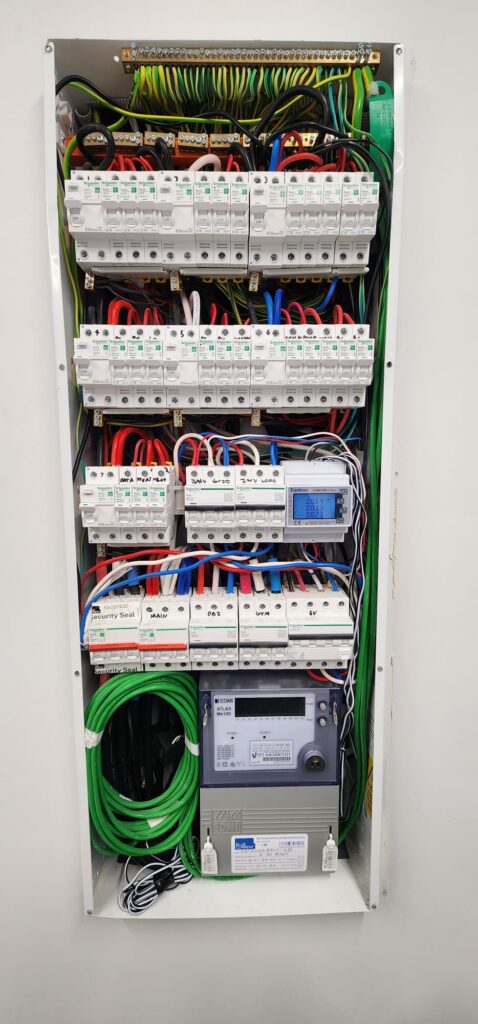
A lot of RCD complaints are switchboard complaints in disguise. If one RCD covers the entire house, cumulative leakage alone will have you resetting it regularly, and every trip takes out the lights along with everything else. Splitting the installation across several RCBOs means a fault affects one circuit instead of the whole home, and makes the next fault far quicker to find.
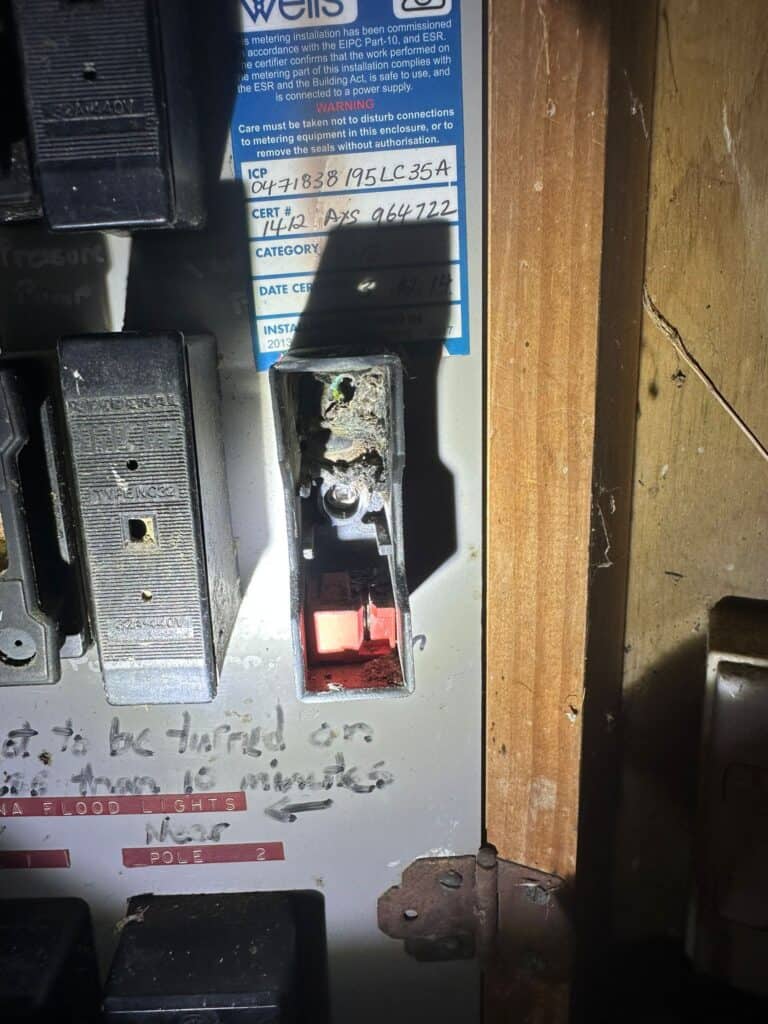
If your board still has rewireable ceramic fuses and no RCD at all, there is no residual current protection anywhere in the house. That is what a switchboard upgrade exists to fix, and it matters if you rent the property out, because landlords must use a licensed electrician for any fixed wiring work.
What Sets Us Apart
50+ Years of Proven Experience
Established in Auckland since 1974, French Electrical has been trusted across the region for over 50 years. Our team of registered Master Electricians delivers work that's built to last every time.
After-Hours Emergency Response
Electrical breakdowns don't keep business hours. French Electrical keeps an electrician on call outside office hours for residential, commercial and industrial clients across Auckland, responding fast to minimise downtime and protect your property.
SiteWise 100 Certified
French Electrical holds SiteWise 100 certification — New Zealand's highest contractor health and safety rating. This is required by many commercial, industrial and government clients and reflects our commitment to safe worksite practice.
$20,000 Workmanship Guarantee
As Quality Assured members of Master Electricians, our residential work carries a $20,000 workmanship guarantee. If anything falls short of standard, we put it right — labour and materials — at no cost to you.

If your RCD keeps tripping, stop resetting it after the second time. Leave it off, run through the check above, and if it still will not hold, call a registered electrician. You can check anyone’s licence on the Electrical Workers Registration Board register. Leakage to earth is exactly the fault that shocks people, so it is never one to live with.
Once it is sorted, press the test button on each RCD about every three months. It should trip immediately. If it does not trip, or will not reset afterwards, it needs replacing, because a failed RCD gives no warning that it has stopped protecting anything. For a picture of the whole installation rather than one device, an Electrical Warrant of Fitness tests circuits, RCDs, earthing and fittings and gives you a written record of what needs attention.
French Electrical has been finding and fixing electrical faults across Auckland since 1974, including after-hours callouts when a board will not stay on. If your RCD keeps tripping and the ten-minute check has not settled it, book a job and our team will measure it properly. Landlords can also use our landlord and property manager services. You can see what a callout costs on our pricing page. For general guidance on electrical safety at home, see WorkSafe New Zealand.